Advancements in Glaucoma Treatment: Laser Therapy for Glaucoma
Maintaining good eye health is essential for overall well-being and quality of life. From routine eye exams to specialized treatments, there are various options available to address a wide range of eye conditions and diseases. In this article, we will explore different eye care treatments and their significance in preserving and improving vision.
Corrective Lenses:
Corrective lenses, including glasses and contact lenses, are commonly used to address refractive errors such as nearsightedness, farsightedness, and astigmatism. These lenses help to focus light properly onto the retina, ensuring clear vision. With advancements in lens technology, there are various options available, including progressive lenses, photochromic lenses, and specialized lenses for specific visual needs.
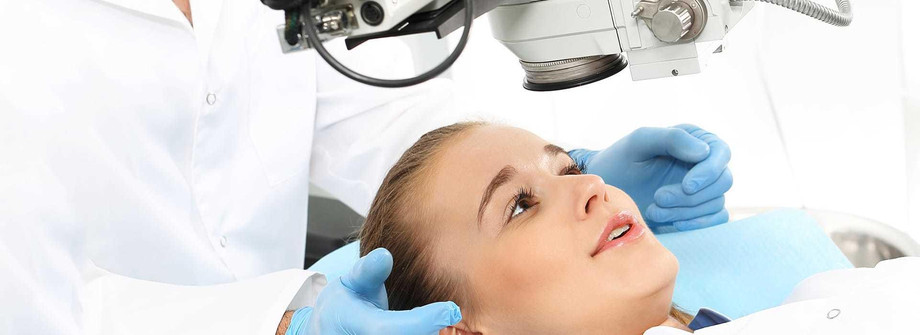
Laser Vision Correction:
Laser vision correction, such as LASIK (Laser-Assisted in Situ Keratomileusis) and PRK (Photorefractive Keratectomy), is a popular treatment for refractive errors. These procedures use laser technology to reshape the cornea, correcting vision problems and reducing dependence on glasses or contact lenses. Laser vision correction provides long-lasting results and can significantly improve visual acuity.
Cataract Surgery:
Cataract surgery is a safe and effective procedure performed to remove a cloudy lens (cataract) and replace it with an artificial intraocular lens (IOL). This surgery restores clear vision and is typically an outpatient procedure. Advanced techniques, such as femtosecond laser-assisted cataract surgery, offer greater precision and enhanced outcomes.
Glaucoma Treatment:
Glaucoma is a progressive eye disease characterized by increased intraocular pressure, which can damage the optic nerve. Treatment options for glaucoma include eye drops, oral medications, laser therapy (Selective Laser Trabeculoplasty or SLT), and surgical interventions (such as trabeculectomy or tube shunt surgery). The goal of treatment is to reduce intraocular pressure and preserve vision.
Retinal Treatments:
Various retinal conditions, such as age-related macular degeneration (AMD) and diabetic retinopathy, require specialized treatment approaches. These may include intravitreal injections of medication, laser photocoagulation, or vitrectomy surgery. These treatments aim to prevent or slow down vision loss caused by retinal abnormalities.
Dry Eye Management:
Dry eye syndrome is a common condition characterized by insufficient lubrication of the eyes. Treatment options range from over-the-counter artificial tear drops to prescription medications and procedures like punctal plugs, which help to retain tears on the ocular surface. The goal is to alleviate symptoms and improve the quality of tear film.
Pediatric Eye Care:
Children require specialized eye care to ensure proper visual development and early detection of any issues. This may include comprehensive eye exams, vision screenings, treatment of refractive errors, and management of conditions like lazy eye (amblyopia) or crossed eyes (strabismus).
Ocular Surface Disease Management:
Ocular surface diseases, such as blepharitis, conjunctivitis, or corneal ulcers, can cause discomfort and affect vision. Treatment options may involve prescription eye drops, warm compresses, lid hygiene practices, or in severe cases, procedures like amniotic membrane transplantation or corneal grafting.
For More Info:-

Comments
Post a Comment